Animals Graphics and Patterns for Modern Publishing
In the world of digital publishing, the difference between a blog post that gets ignored and one that gets shared often comes down to visual communication. As a designer who has spent years building editorial layouts and managing content sites, I know that readers form an opinion about your authority within milliseconds of landing on a page. This is why selecting the right graphic design asset is not just about decoration; it is about establishing trust and guiding the user journey. Recently, I reviewed a collection titled Animals, which offers a unique opportunity to elevate the visual identity of content websites, affiliate blogs, and digital product shops.
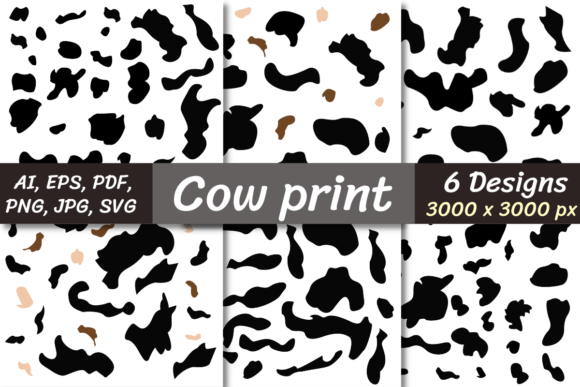
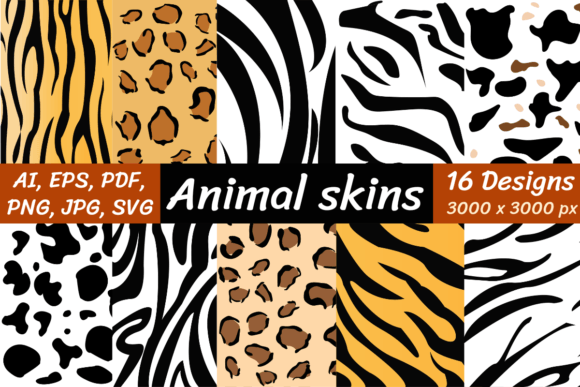
The first impression of Animals is strikingly organic yet structured. Unlike generic clip art or flat illustrations, this set focuses on animal skins and prints that carry a sense of texture and depth. When applied to a website header or a featured image, these graphics create an immediate editorial mood. They feel adventurous, grounded, and slightly luxurious, depending on how you layer them. For a lifestyle blogger or an outdoor educator, this asset signals authenticity. It suggests that the content inside is as rich and varied as the natural world. The visual hierarchy created by these patterns helps separate different sections of a site without relying on heavy borders or clunky dividers.
Integrating Editorial Design into Real Workflows
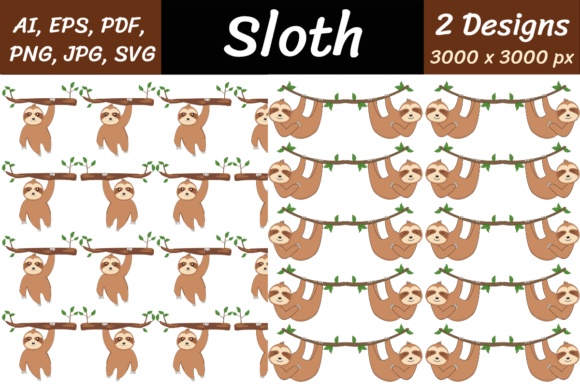
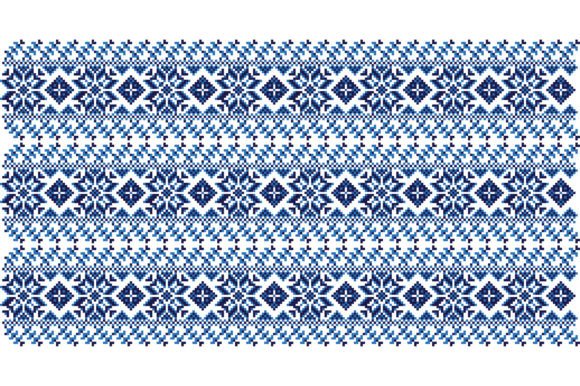
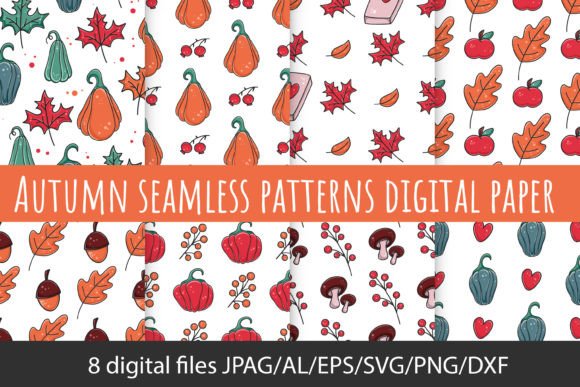
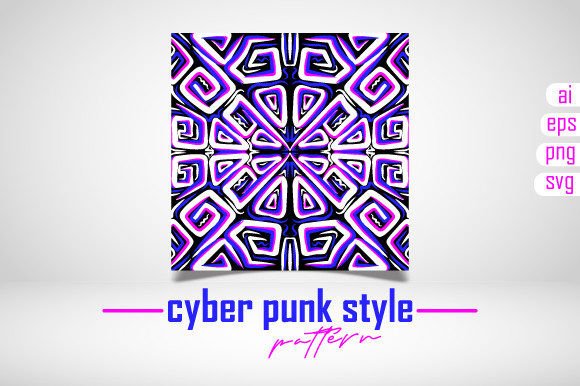
Imagine you are preparing a major content push for your affiliate marketing site. You need a cohesive look for a series of articles comparing hiking gear, along with a downloadable guide for beginners. This is where the versatility of Animals shines. The collection includes 16 high-resolution digital papers that serve as perfect backgrounds for digital guides, worksheets, and eBook covers. Instead of designing every page from scratch, you can apply these textures to create a unified brand identity across all your resources.
The inclusion of multiple file formats is a game-changer for publishers who work across different platforms. Having animals ai, animals eps, and animals svg files means you have the scalability needed for large web banners or print-on-demand merchandise. Meanwhile, the animals png transparent files allow for seamless integration into newsletter graphics and social media posts where you need to overlay text without a boxy background. The availability of animals pdf and animals jpeg jpg files ensures compatibility with standard publishing tools and email marketing software. Whether you are creating a Canva template for your audience or designing a complex editorial layout in Adobe InDesign, having both vector and raster options provides the flexibility required for professional results.
Enhancing Visual Hierarchy and Click-Through Potential
One of the most common challenges in content marketing is capturing attention in a crowded feed. A well-placed graphic can be the deciding factor in whether a reader clicks through to your article. Animals supports this goal by providing strong visual anchors. When used as category thumbnails or Pinterest pins, the intricate details of the animal skins draw the eye naturally. This creates a stronger first impression compared to solid colors or simple gradients.
For digital marketers and small business owners, consistent branding is essential for long-term growth. Using Animals across your social media graphics and website headers reinforces your brand identity. It tells your audience that you pay attention to detail and value quality. This consistency builds reader trust, which is crucial when recommending products or sharing educational content. Furthermore, the patterns work exceptionally well as editorial accents in long-form articles, breaking up text blocks and keeping the reader engaged without being distracting.
Strategic Applications for Content Creators
The potential uses for this asset extend far beyond simple decoration. Here is how I recommend integrating Animals into your specific publishing workflows:
- Pinterest Pins and Social Media Previews: Use the transparent PNGs to create eye-catching overlays on top of photos. The contrast between the photo and the skin texture adds depth and makes your pins stand out in the feed.
- Lead Magnets and Digital Products: Transform a boring PDF worksheet into a premium-looking resource by using the digital papers as cover pages or section dividers. This elevates the perceived value of your freebie.
- Website Headers and Banners: Apply the scalable SVG files to create custom hero images that reflect your niche. Whether you are running a nature blog or a creative agency, these patterns add a layer of sophistication.
- Newsletter Graphics: Create branded email headers that increase open rates. The texture adds a tactile feel to the digital experience, making your emails feel more personal and less like mass mailings.
- Media Kits and Affiliate Pages: When pitching to sponsors or showcasing affiliate content, a polished visual system demonstrates professionalism. These graphics help you present your metrics and offerings in a modern design context.
Where to Exercise Caution
While Animals is a powerful tool, it is important to use it strategically. Not every niche benefits from bold textures. If you are running a corporate finance blog or a serious legal advice site, these graphics might feel too decorative or playful. In such cases, they could undermine the professional tone you need to establish. Similarly, be mindful of mobile optimization. On small screens, intricate patterns can sometimes appear muddy or pixelated if not scaled correctly.
Avoid using these graphics on backgrounds that are already busy or low-contrast. If your text is light and your background pattern is also light, readability will suffer. Always ensure there is enough separation between the text and the design element. Additionally, if your website relies on a very minimal visual system, adding complex animal prints might disrupt the clean aesthetic you have worked hard to build. In these scenarios, use the assets sparingly, perhaps only as subtle watermarks or border accents.
Practical Publisher Notes for Implementation
Before deploying Animals on your live site, there are several technical checks you must perform to ensure optimal performance. First, test the graphics on both desktop and mobile screens. What looks stunning on a large monitor might lose its impact on a smartphone. Check how the pattern behaves when resized to fit a thumbnail; ensure the focal points remain visible.
Preview the asset inside your actual blog layout. Place it next to your headline text to see how the fonts interact. Try pairing the graphics with serif fonts for a classic editorial look, sans-serif fonts for a modern feel, or script fonts for a touch of elegance. This experimentation will help you find the perfect balance for your brand voice.
Do not overlook the importance of file size. High-resolution images are great for print, but they can slow down your website if not optimized. Review the file sizes for your web versions, compress them properly, and confirm that they load quickly. Slow loading times can hurt your SEO rankings and frustrate users. Finally, always review your commercial license. Ensure you have the rights to use these graphics on monetized websites, affiliate pages, and paid content products. Understanding the terms of your commercial license protects you from legal issues and allows you to use the asset with confidence.
By carefully considering these factors, you can transform Animals from a simple download into a cornerstone of your content marketing strategy. It is more than just a set of images; it is a tool for building a memorable visual language that resonates with your audience and drives engagement.