LEAF SEAMLESS FLOWER PATTERN: A Designer's Review
When I first opened the file for LEAF SEAMLESS FLOWER PATTERN, my immediate reaction wasn't about the stitch count or the file format. It was about the mood. In a sea of generic floral motifs and rigid geometric shapes, this pattern breathes with an organic rhythm that feels surprisingly modern yet timeless. As someone who has spent years turning digital files into tangible handmade products, I know that a successful design isn't just about how it looks on a screen; it is about how it translates to thread, fabric, and ultimately, the customer's hands.
This review focuses on the practical reality of using LEAF SEAMLESS FLOWER PATTERN in real-world embroidery projects. Whether you are an Etsy seller looking to refresh your boutique inventory or a hobbyist crafting a personalized gift, understanding the nuances of this design before you hit "stitch" is crucial. The product description mentions its versatility for wall art, backgrounds, t-shirts, mugs, bags, and packaging paper. While those are valid uses for a graphic, we need to dig deeper into how it performs as a machine embroidery design or a print-ready asset for physical goods.
The First Stitch: Visual Personality and Layout
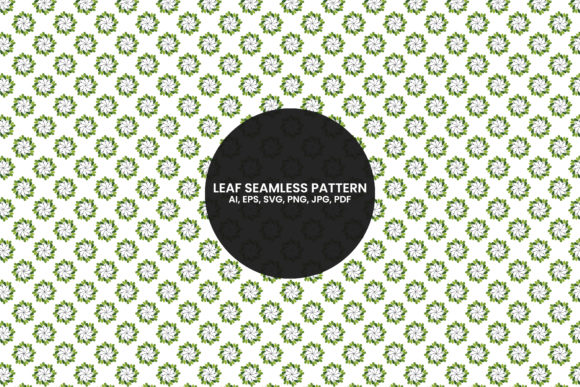
The defining characteristic of LEAF SEAMLESS FLOWER PATTERN is its seamless nature. Unlike a single centered motif, this design offers a repeating flow that suggests continuity. For an embroiderer, this creates a unique challenge and opportunity. When applied to a custom apparel item like a sweatshirt or a tote bag, the pattern doesn't just sit there; it wraps around the garment, creating a sense of abundance without overwhelming the silhouette.
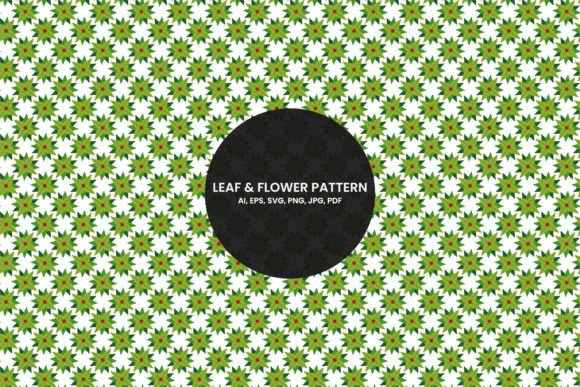
The visual personality here leans towards botanical elegance with a touch of rustic charm. The leaf shapes are distinct enough to hold their form under satin stitches, while the flower elements likely provide softer fill areas that catch the light beautifully. This balance is vital for maintaining clarity. If the details were too fine, they would disappear on textured fabrics like canvas or heavy cotton twill. However, based on the initial assessment, the line work appears robust enough to survive the tension of embroidery without losing definition.
Real-World Application: From Screen to Stitches
Let's imagine a specific scenario: preparing a holiday collection for a small shop. You have decided to create a line of embroidered kitchen towels and aprons featuring nature-inspired themes. You pull up LEAF SEAMLESS FLOWER PATTERN. The first thing you notice is how naturally it fits the rectangular space of a tea towel. By positioning the pattern so that the leaves cascade from the hem, you create a dynamic border that frames the functional area of the cloth perfectly.
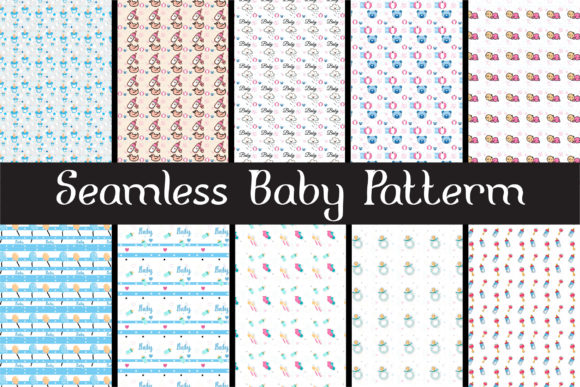
Now, consider a different use case: baby clothes. Parents often look for soft, non-threatening designs that are durable against frequent washing. The repetitive nature of this pattern means that even if a stain occurs or the fabric wears slightly, the design remains intact because it repeats across the surface rather than relying on a single focal point. This makes it an excellent candidate for baby bodysuits, onesies, or nursery decor items like pillow covers. The seamless flow ensures that no matter where the fabric is cut or folded, the aesthetic integrity holds up.
For crafters selling at local markets, this design offers incredible versatility. Imagine an embroidered patch made from this pattern. The continuous lines allow for clean edges when cutting out the patch, preventing fraying issues common with isolated, jagged shapes. Alternatively, using it as a background texture on a tote bag allows the main message or logo to pop against a subtle, sophisticated backdrop. It elevates a simple canvas bag into a premium-looking accessory without requiring complex color changes or excessive stitching time.
Navigating Fabric and Technique Challenges
While the design is promising, every professional knows that context is everything. There are specific situations where LEAF SEAMLESS FLOWER PATTERN requires careful handling. If you plan to use this on a stretchy knit fabric, such as a fitted t-shirt or a cap, you must be vigilant about stabilizer selection. A seamless pattern covers more surface area, which increases the total weight of the thread. Without adequate backing, the fabric could pucker, distorting the beautiful flow of the leaves.
Similarly, consider the issue of hoop size. If you are working with a smaller hoop, you might find yourself cutting off parts of the seamless flow. This can break the visual continuity, making the design look incomplete rather than intentional. In such cases, it is better to treat the design as a single motif rather than a full repeat, or ensure your hoop is large enough to capture a complete section of the pattern. Conversely, on dark fabrics, the contrast becomes critical. You will need to select thread colors that stand out sharply against the background to maintain the visibility of the intricate details.
Another factor to watch is the density of the stitches. If the original file contains very dense fill stitches, running this through a standard home machine might lead to needle deflection or thread breaks, especially on thinner materials. Always test the design on a scrap piece of the intended fabric first. Check how the thread lays down. Does it create a smooth surface, or does it bunch up? This step is non-negotiable for ensuring a professional finish that builds trust with your customers.
Strategic Design Notes for Makers
To get the most out of LEAF SEAMLESS FLOWER PATTERN, keep these practical tips in mind during your production process:
- Test Before You Sell: Never assume the file will work perfectly on your specific machine or fabric combination. Run a test swatch to check stitch density and thread tension.
- Color Contrast Matters: View your design in black and white mockups to ensure the shapes remain distinct regardless of the thread color chosen.
- Stabilizer Selection: Use the appropriate stabilizer for your fabric type. For lightweight fabrics, a tear-away or cut-away backing is essential to support the weight of a seamless pattern.
- Licensing Verification: Before using this design for commercial purposes, such as selling finished embroidered patches or printable mockups, double-check the licensing terms provided by the creator to avoid legal issues.
- Detail Inspection: Zoom in on the digital file to inspect small details. Ensure that tiny corners and fine lines are not too delicate for the resolution of your embroidery machine.
Impact on Product Value and Brand Consistency
Ultimately, the choice of design affects the perceived value of your finished product. A well-executed LEAF SEAMLESS FLOWER PATTERN signals attention to detail and quality craftsmanship. Customers are willing to pay a premium for items that look polished and professionally finished. The organic feel of the leaves and flowers adds a human touch that mass-produced items often lack, resonating deeply with buyers who appreciate handmade goods.
For small business owners and Etsy sellers, consistency is key. Using a cohesive pattern like this across multiple product lines—perhaps on tags, packaging, and the products themselves—creates a strong brand identity. It tells a story of nature, growth, and artistry. Whether you are designing a wedding gift set or a seasonal holiday collection, this pattern provides a versatile foundation that can adapt to various themes while maintaining a unified aesthetic.
In conclusion, LEAF SEAMLESS FLOWER PATTERN is more than just a decorative element; it is a strategic tool for designers and makers. Its seamless layout offers endless possibilities for customization, from personalized gifts to commercial merchandise. However, success lies in the execution. By respecting the technical limitations of embroidery, choosing the right materials, and testing thoroughly, you can transform this digital asset into a stunning physical reality that delights your customers and elevates your brand.