Leopard Camping Seamless Pattern Review
When I first opened the Leopard Camping Seamless Pattern, my immediate reaction wasn't about the file size or the download speed. It was about the vibe. As a designer who has stitched thousands of designs for clients ranging from boutique owners to hobbyists, I know that a pattern needs more than just good resolution; it needs a story. This design tells a clear one: rugged outdoors meets wild elegance. The seamless nature of the Patterns collection here suggests it is built for scale, making it an intriguing candidate for larger embroidery projects where repetition can create a bold statement without overwhelming the eye.
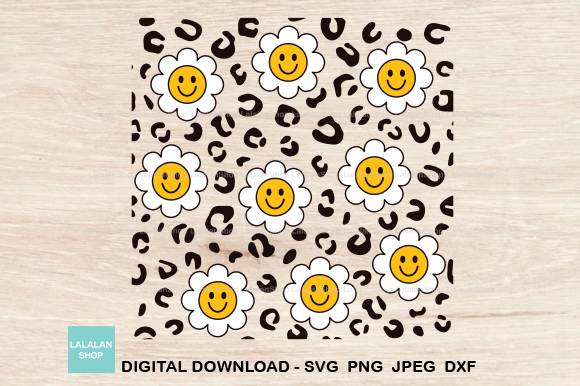
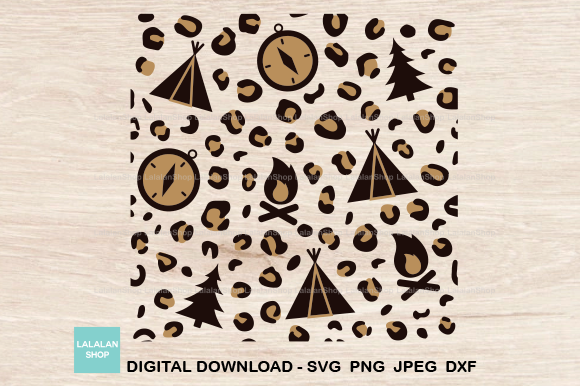
The visual personality of this piece strikes a balance between playful and sophisticated. The leopard print elements are distinct enough to be recognizable even when digitized for stitching, while the camping motifs—tents, trees, perhaps campfires depending on the specific iteration—add a layer of narrative depth. For a machine embroidery design, this duality is crucial. Too much detail in the animal print can get lost in the stitches, but too little makes the design look flat. My initial assessment suggests this file lands safely in the middle ground, offering enough texture to feel premium without risking stitch distortion on standard home machines.
From Screen to Stitch: A Real-World Scenario
To truly understand the utility of the Leopard Camping Seamless Pattern, I like to imagine a concrete project. Let's say I am preparing a custom order for a client who runs a rustic-themed wedding boutique. They need embroidered patches for their staff aprons and matching tote bags for the event favors. The aesthetic needs to be cohesive but not overly busy. If I were to apply this seamless pattern to a large tote bag, the repeating motif could cover the entire surface, creating a textured background that feels intentional rather than random.
Imagine the finished product: a canvas tote bag featuring the Leopard Camping Seamless Pattern as a subtle all-over print effect achieved through dense fill stitches. When paired with a solid color satin stitch border, the design elevates the item from a simple gift to a branded piece of merchandise. This is exactly the kind of handmade product that sells well on platforms like Etsy. Customers don't just buy a bag; they buy the lifestyle represented by the design. The combination of the wild animal print with the cozy camping theme creates a unique juxtaposition that stands out in a crowded marketplace.
However, if I were to try this same design on a small baby onesie, the approach would change entirely. The seamless aspect might be overkill for a chest-sized area unless cropped carefully. In that case, I would likely isolate a single element from the pattern—a tent nestled among the spots—and use it as a focal point. This flexibility is what makes a digital embroidery file valuable. The ability to adapt a seamless graphic into a focused applique design or a full-surface fill depends entirely on how you manipulate the source material before it hits the hoop.
Performance on Different Fabrics and Garments
Not every fabric plays nice with every design, and the Leopard Camping Seamless Pattern is no exception. Its performance varies significantly depending on the substrate. On sturdy materials like denim for a sweatshirt or heavy cotton duck for a tote bag, the design shines. The stability of these fabrics supports the density required to render the leopard spots clearly. The contrast between the thread colors and the dark fabric will make the pattern pop, ensuring the embroidery project looks professional and crisp.
Conversely, there are scenarios where caution is required. Attempting to stitch this pattern on thin, stretchy jersey knit without proper stabilizer could lead to puckering, especially if the design includes areas of high stitch density. The repetitive nature of a seamless pattern means that errors compound quickly across the design area. If one section pulls, the whole garment can distort. Furthermore, on curved surfaces like baseball caps, the flat nature of a seamless repeat might not translate perfectly unless the design is specifically adapted for the curvature of the cap panel.
I also had to consider the issue of thread color contrast. The success of this design relies heavily on the choice of thread colors. If the leopard spots are rendered in a tone too close to the background fabric, the design loses its impact. For a commercial embroidery job, I always recommend testing the thread palette against the actual fabric swatch. A black-on-black version might look sleek on a mockup, but in person, it could appear muddy under natural light. The camping elements, often requiring green or brown threads, need to be vibrant enough to cut through the complexity of the animal print.
Where to Use (and Where to Hesitate)
This design is a powerhouse for specific applications. It fits naturally into custom apparel like flannel shirts or hoodies where the camping theme resonates with the wearer. It is also excellent for holiday embroidery projects, particularly around autumn or winter holidays where outdoor themes are popular. For a small shop owner, using this pattern on kitchen towels or pillow covers can add a touch of whimsy that appeals to homeowners looking for unique decor.
However, there are limits. Small hoop sizes present a challenge. If the pattern repeats too frequently within a 4x4 inch hoop, the individual details may merge into a blur. In such cases, the design works better as a background texture rather than the main feature. Similarly, on textured fabrics like bouclé or heavy fleece, the definition of the leopard spots might be lost. The machine needle struggles to penetrate thick textures consistently, leading to uneven coverage. For these materials, a simpler, less detailed design is often safer.
Dense stitch areas are another consideration. If the design requires long periods of continuous stitching for the fill areas, heat buildup can occur, potentially damaging delicate fabrics. Always ensure you are using the correct stabilizer type. A tear-away might work for stable wovens, but a cut-away is essential for knits to prevent the design from shrinking or distorting after washing.
Professional Notes for Designers and Sellers
Before committing to a full production run or selling a finished product based on the Leopard Camping Seamless Pattern, I strongly advise running a few critical tests. First, check the licensing terms. Just because a file is available for download does not automatically grant commercial rights for mass-produced goods. Verify whether you can sell items made with this design or if it is limited to personal use.
Next, test the design on scrap fabric. Create a sample that mimics your final product exactly, including the stabilizer and thread choices. Inspect the small details closely. Are the tiny corners of the tents sharp? Do the edges of the leopard spots look clean, or do they have jagged artifacts? These small flaws can ruin the perceived value of a finished product. A customer paying for a handmade item expects perfection, and sloppy stitching on a complex pattern like this is immediately noticeable.
Review the stitch density settings in your software. If the design feels too heavy, reduce the density slightly to allow the fabric to show through, which can actually enhance the texture. If it looks too sparse, increase the density, but be mindful of the risk of puckering. Also, compare the design in both color and black-and-white mockups. Sometimes a design looks great in full color but lacks structural integrity when viewed in grayscale, indicating issues with line weight or spacing.
Finally, think about the brand consistency. If you are an Etsy seller or running a craft business, does this design fit your overall aesthetic? The Leopard Camping Seamless Pattern has a specific niche appeal. It might not suit a minimalist brand, but it is perfect for a bohemian or outdoor lifestyle brand. Using the right design assets ensures that your marketing and your products tell the same story, building trust with your audience.
In conclusion, the Leopard Camping Seamless Pattern is a versatile and visually engaging asset for any designer willing to put in the preparation work. It offers a unique blend of themes that can elevate standard products into memorable keepsakes. By understanding its strengths and limitations regarding fabric types, hoop sizes, and stitch density, you can turn this digital file into a successful commercial graphics product or a cherished personalized gift. Just remember: the best embroidery comes from thoughtful planning, not just pressing start.