Valentine Digital Paper Seamless Pattern Review
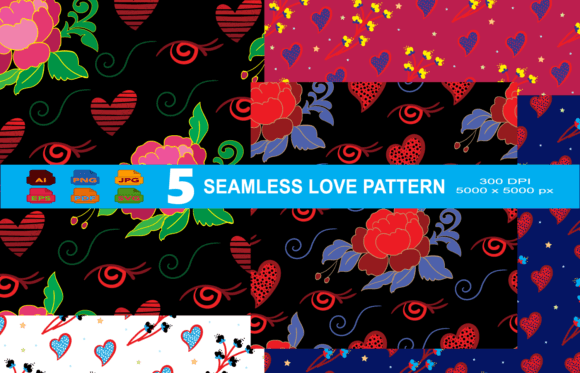
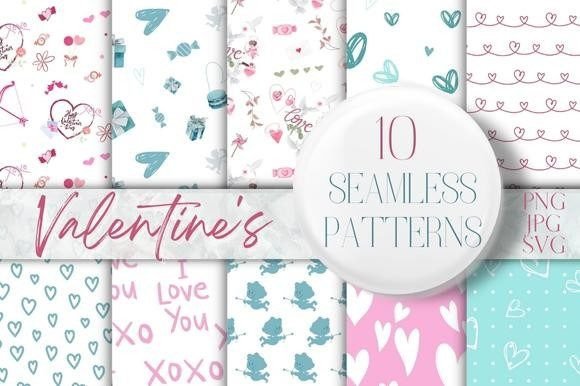
When I first opened the Valentine Digital Paper Seamless Pattern, my initial reaction wasn't about the file size or the stitch count, but rather the mood it instantly sets. As a designer who spends hours staring at screens and hoop sizes, I look for more than just a pretty image; I need to know if a design has the backbone to survive the transition from a digital mockup to a physical, stitched reality. This collection of 10 seamless repeats offers a distinct visual personality that feels fresh compared to the usual generic hearts and cupids flooding the market. It strikes a balance between playful charm and professional polish, making it an intriguing candidate for anything from boutique branding to high-end personalized gifts.
The core strength of this asset lies in its seamless repeat format. For those of us working on large-scale projects like aprons, pillow covers, or fabric backgrounds for web mockups, tiling is often a headache. However, with these patterns designed specifically to tile without visible seams, the workflow becomes significantly smoother. The visual continuity suggests a level of attention to detail that translates well into embroidery, where consistency across a large area can make or break a product's perceived value. When you are selling handmade goods on Etsy or running a craft business, that seamlessness ensures your finished product looks intentional and expensive, not rushed or pieced together.
From Screen to Stitch: A Real-World Scenario
Let's talk about a specific use case that puts this design to the test. Imagine you are preparing a custom order for a client who wants a romantic yet modern bridal shower gift. They requested a set of embroidered kitchen towels featuring a subtle, repeating motif that ties the room's theme together without being overwhelming. You pull up the Valentine Digital Paper Seamless Pattern to see how it would render on a cotton damask towel.
In a real-life scenario, the challenge isn't just the design itself, but how the stitches interact with the fabric texture. If the pattern features intricate details, dense fill stitches might struggle to lay flat on a textured weave, creating a "muddy" look that lacks definition. Conversely, if the design relies heavily on running stitches, it needs enough negative space to breathe so the fabric texture remains visible. My assessment of this pattern suggests it leans towards a style that works beautifully on smooth to medium-weight fabrics. The seamless nature allows you to create a border that wraps around the entire towel or fills the center panel completely, offering versatility that standard single-image files simply cannot match.
I also considered using this for a custom sweatshirt project for a local boutique. The idea was to create a small, repeating logo on the chest or a larger all-over print on the back. Because these are digital graphics intended for digitization, the key question is scalability. Can the pattern be enlarged without losing clarity? In my experience, seamless patterns are excellent for this because they allow you to scale the motif infinitely. However, when converting this to an embroidery file, you must ensure that the fine lines of the original graphic are translated into appropriate stitch types. If the design includes tiny decorative accents, they may need to be simplified during the digitizing process to prevent puckering on the stretchy knit fabric of a sweatshirt.
Where to Exercise Caution
While the Valentine Digital Paper Seamless Pattern is versatile, there are specific situations where a designer should proceed with caution. Small hoop sizes present a particular challenge. If you attempt to stitch a complex seamless repeat on a 4x4 hoop, the machine may have to jump excessively, leading to registration issues where the pattern doesn't align perfectly across the edges of the hoop. Furthermore, textured fabrics like heavy waffle weaves or bouclé can obscure the finer details of the pattern. The contrast between the thread color and the fabric background is critical here; a light thread on a dark, textured fabric might get lost entirely.
Another area requiring careful consideration is curved surfaces like caps or hats. While the pattern looks perfect on a flat plane, transferring a seamless repeat onto a curved brim or crown introduces distortion. The design elements may stretch or compress unevenly, breaking the illusion of a continuous pattern. For these applications, it is often better to use a single, focal element from the pattern rather than attempting to tile the full sequence. Additionally, products that require frequent washing, such as work aprons or baby clothes, demand robust stitching. Dense stitch areas in the pattern could trap lint or cause the fabric to pucker over time, affecting the longevity of the finished product.
Impact on Brand and Customer Perception
In the world of craft business and Etsy sellers, visual appeal directly correlates to customer trust. A well-executed embroidery design signals professionalism and care. Using a high-quality, seamless pattern like this one elevates the perceived value of your items. When a customer receives a tote bag or a patch where the pattern aligns perfectly and the stitches are clean, they are more likely to view the item as a premium good worth a higher price point. It also enhances brand consistency; having a recognizable, repeatable motif helps build a cohesive identity for your shop.
The design also plays a crucial role in giftability. Valentine's Day and holiday seasons are competitive markets. Customers are looking for unique, thoughtful items that stand out. A personalized gift featuring a custom-seamless pattern feels more bespoke than one stamped with a generic clip art image. This distinction can drive buyer engagement and encourage repeat purchases. Whether you are creating commercial embroidery for corporate events or holiday embroidery for seasonal sales, the ability to tile the design allows you to adapt the motif to various product sizes while maintaining a unified aesthetic.
Practical Notes for the Embroidery Designer
Before committing this design to production, there are several practical steps every designer should take. First and foremost, always test the design on scrap fabric. This is non-negotiable. You need to verify how the stitch density interacts with your specific material and whether the stabilizer choice supports the weight of the design. Check the thread colors against both light and dark fabric backgrounds to ensure sufficient contrast. If the original pattern is too detailed for the chosen thread gauge, consider simplifying the satin stitch or fill stitch areas during digitization.
Review the hoop size requirements carefully. Ensure that your machine can accommodate the dimensions of the tiled pattern without excessive trimming or repositioning. Inspect small details in the design to see if they will hold up under the tension of the needle. It is also wise to test the design in black and white mockups to evaluate the composition independently of color. Finally, confirm the licensing terms before selling finished items or digital products. Some patterns are for personal use only, while others allow commercial application. Understanding these boundaries protects your small shop product line from legal complications.
The Valentine Digital Paper Seamless Pattern represents a solid foundation for creative entrepreneurs looking to expand their offerings. By understanding its strengths and limitations, you can integrate it into your workflow effectively. Whether you are designing custom apparel, creating embroidered patches, or producing printable mockups for your online store, this design asset offers the flexibility needed to create high-quality, professional results. With careful planning and testing, it can become a staple in your arsenal of design assets for years to come.