Beautiful Pattern Backgrounds: A Designer's Review
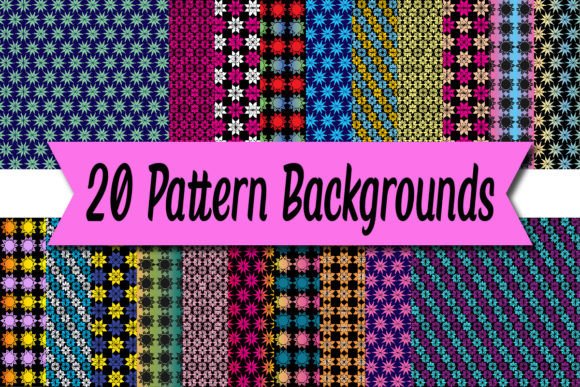
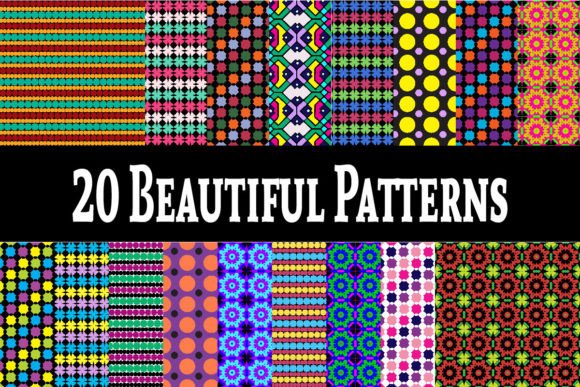
When I first opened the folder labeled Beautiful Pattern Backgrounds, my immediate reaction was one of curiosity. As someone who spends hours staring at stitch density charts and testing thread colors, I rarely get excited about a "background" pack. Usually, these are just filler files meant to take up space in a library. However, after digging into the 20 patterns included here, I realized this collection has genuine potential for serious embroidery work. It is not just a set of graphics; it is a toolkit for creating texture and depth in your finished products.
The visual personality of these designs is distinct. They feel organic yet structured, offering a mood that works well for both modern minimalism and traditional cottage-core aesthetics. The layout is clean, avoiding the cluttered look that often plagues digital background packs. For an embroiderer, this clarity is everything. When you are translating a digital image into thread, every line matters. These patterns provide a strong foundation without overwhelming the main subject of your design. Whether you are working on a custom tote bag or a delicate baby item, the balance between negative space and filled areas feels intentional.
Real-World Application: From Screen to Stitch
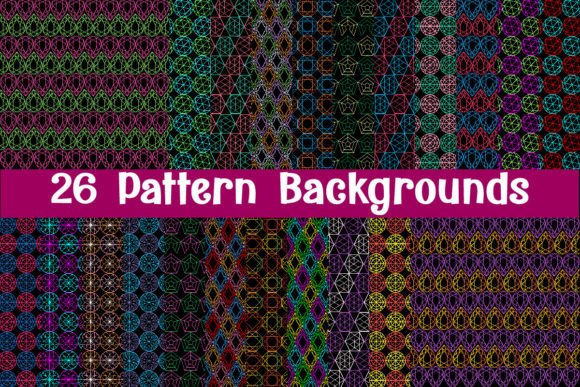
Let me share a specific scenario where I tested these assets. Last week, a client asked for a line of boutique aprons featuring floral motifs but wanted something unique. They didn't want a standard satin-stitch flower; they wanted the entire apron to have a textured backdrop that felt handcrafted. This is where Beautiful Pattern Backgrounds shined. I selected three of the intricate geometric patterns to serve as the base layer for the apron front.
Using them as a fill stitch background allowed the main floral motif to pop while adding a layer of sophistication that customers notice immediately. The result was a high-end look that elevated the perceived value of the product. If you are an Etsy seller or a small shop owner, you know how crucial that first impression is. A plain white shirt with a simple logo is fine, but a garment with a subtle, textured pattern background suggests quality craftsmanship. It signals to the buyer that attention was paid to every detail.
This versatility extends beyond apparel. Imagine using these patterns on a holiday gift box label, a pillow cover for a nursery, or even as a decorative border on a kitchen towel. The designs translate well to various fabric textures. On a sturdy canvas tote bag, the pattern holds its shape beautifully. On a softer cotton blend for a baby onesie, it adds a gentle visual interest without feeling too heavy or rigid. The key is understanding how the stitch density interacts with the fabric grain.
Where to Exercise Caution
While the collection is impressive, no design file is perfect for every situation. As an experienced reviewer, I need to point out where Beautiful Pattern Backgrounds might struggle if used without consideration. First, consider your hoop size. Some of the more detailed patterns in the set contain fine lines that can become muddy if stitched in a very small hoop. If you are working on a project like a cap or a tiny embroidered patch, you must verify that the smallest details remain distinct after stitching. There is nothing worse than a customer receiving a personalized gift only to find that the intricate background has merged into a solid blob due to poor resolution or tight spacing.
Secondly, be mindful of the fabric type. These patterns rely on clear definition. If you attempt to stitch them on stretchy jersey knit without proper stabilizer, the tension will cause the pattern to pucker and distort. Similarly, on dark fabrics, the contrast might be lost depending on the thread colors you choose. You may need to adjust your underlay settings or add a specific color wash to ensure the pattern stands out against a black t-shirt or navy sweatshirt. Always test on scrap fabric before committing to a final piece, especially when working with thin materials that might show through the dense stitching.
Another area to watch is curved surfaces. While great for flat items like pillows and towels, applying these patterns to curved hats requires careful digitizing adjustments. The natural flow of the pattern might conflict with the curve of the cap, leading to awkward breaks in the design. If you are doing commercial embroidery for branded merchandise, you need to ensure the pattern aligns perfectly with the logo placement. A misaligned background can make a professional-looking brand appear amateurish.
Practical Notes for the Embroidery Designer
To get the most out of this collection, there are a few technical steps you should take before starting your production run. Start by reviewing the stitch density. If the fill stitches are too close together, the fabric may become stiff, which is undesirable for items like baby clothes or comfortable loungewear. Conversely, if they are too sparse, the background might look weak and unfinished. Adjusting the thread colors is also critical. Since these are background elements, they should complement the primary design rather than compete with it. Sometimes, using a tonal thread color (a slightly lighter or darker shade of the fabric) creates a subtle, elegant effect that looks expensive.
Don't forget to check the file formats. While the description mentions these are great for scrapbooking and digital designs, you need to confirm the specific embroidery file types (like .DST, .PES, or .JEF) compatible with your machine. If you plan to use these for digital mockups to sell on Etsy, ensure the resolution is high enough for zoomable product images. A blurry background in a preview photo can kill sales momentum.
For those selling finished goods, licensing is non-negotiable. Before you mass-produce items using Beautiful Pattern Backgrounds, read the terms carefully. Does the license allow for commercial use? Can you sell unlimited quantities? Are there restrictions on digital resale? Assuming you can sell anything without checking could lead to legal trouble down the road. It is better to be safe and ask the creator for clarification than to risk a cease-and-desist order later.
Final Thoughts on Visual Appeal and Value
In the world of handmade products, the difference between a good item and a great one often comes down to the finishing touches. Beautiful Pattern Backgrounds offers exactly that extra layer of polish. When a customer sees a tote bag with a thoughtfully integrated pattern background, they perceive higher value. It shows that the maker put effort into the design process. This perception builds trust and encourages repeat business.
Whether you are creating a personalized gift for a wedding, designing a new line of holiday-themed apparel, or updating your digital product previews, this collection provides a versatile asset. It allows you to experiment with different moods and styles without needing to create complex vector art from scratch. However, success depends on your ability to adapt the design to the specific constraints of your project. Test your stitch density, choose your stabilizer wisely, and always inspect the final output for clarity.
Ultimately, this is a practical resource for any designer looking to elevate their craft. It is not magic, but it is a powerful tool in the right hands. By understanding its strengths and limitations, you can turn a simple pattern pack into a signature element of your brand. So, grab your hoop, select your threads, and let your imagination run wild with these beautiful backgrounds. Just remember: the best embroidery happens when technology meets thoughtful human judgment.