Pattern Backgrounds 1: A Designer's Real-World Embroidery Review
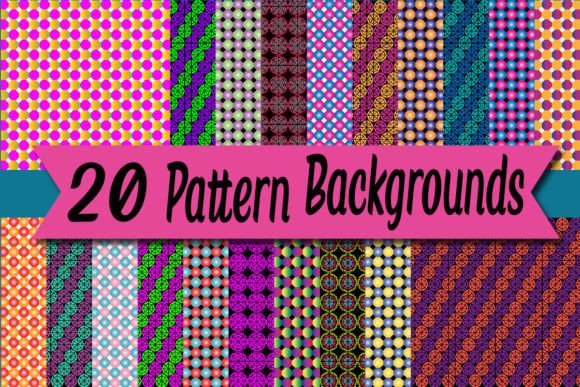
When I first opened the folder for Pattern Backgrounds 1, my initial reaction was one of cautious optimism. As a designer who spends hours testing files before they ever hit a hoop, I know that "background patterns" can often be a double-edged sword. They promise versatility, but they frequently deliver flat visuals that get lost under thread or create stitching nightmares on textured fabrics. This set claims to contain twenty distinct patterns suitable for scrapbooking, digital designs, and invitations, but the real question is whether these graphics translate effectively into tangible machine embroidery design work.
My goal here isn't just to list features; it is to walk you through how this asset performs when you are actually stitching a custom order for a client or preparing inventory for your Etsy shop. Let's dive into what makes this collection useful, where it might trip you up, and how to integrate it into your workflow without compromising the quality of your finished product.
The First Impression: Mood and Visual Personality
The immediate strength of Pattern Backgrounds 1 lies in its restraint. Unlike some busy graphic assets that scream for attention, these patterns feel like a quiet canvas waiting for a story. The shapes and layouts suggest a modern, clean aesthetic that works exceptionally well as a supporting element rather than the main character. In the world of embroidery file creation, knowing when to step back is crucial. These designs offer a subtle texture that can elevate a simple tote bag or a baby onesie without overwhelming the central motif.
The visual personality feels approachable yet professional. Whether you are creating holiday gifts or boutique branding materials, there is a sense of consistency here. The patterns don't feel chaotic; they have a rhythm that suggests careful planning. For a small business owner, this consistency is gold. It means you can use multiple variations from this set across different products—say, a tea towel and a matching apron—and maintain a cohesive brand identity. The mood is versatile enough to shift from playful for a children's room pillow cover to sophisticated for a wedding gift announcement.
Real-Life Scenario: From Digital File to Custom Tote Bag
To truly understand the value of these patterns, let's imagine a specific project. You are preparing a custom order for a local bakery that wants branded tote bags for their upcoming seasonal sale. They need something unique but not distracting, allowing their logo to shine while adding a touch of artisanal flair.
I took Pattern Backgrounds 1 and ran a simulation for a large background fill on a canvas tote. The result was promising. The pattern provided enough structure to hide minor fabric imperfections, which is common with natural fibers used in custom apparel. However, the success of this project hinged on how the design interacted with the stabilizer and thread density. If the pattern was too dense, the canvas would pucker, ruining the drape of the bag. Fortunately, the layout of these backgrounds appears open enough to allow for breathable stitching.
Imagine the customer receiving this bag. The background pattern adds a layer of perceived value. It signals that the maker put thought into every inch of the garment, not just the logo. This attention to detail builds customer trust and encourages repeat business. In a crowded marketplace like Etsy, where buyers are looking for handmade authenticity, a well-executed background pattern can be the difference between a casual purchase and a five-star review.
Performance Across Different Projects
The versatility of Pattern Backgrounds 1 extends far beyond tote bags. These patterns are excellent candidates for pillow covers, where a soft background can frame a monogram or a seasonal quote beautifully. They also work well on kitchen towels, providing a subtle grid or motif that doesn't clash with food stains or heavy washing cycles.
For baby embroidery, such as on sweatshirts or blankets, the softer lines of these patterns are ideal. They avoid the harshness that sometimes comes with geometric designs, creating a gentle aesthetic that parents love. When used in commercial embroidery for corporate gifts or event swag, these backgrounds add a premium feel without requiring expensive thread colors. A simple two-color setup can make a standard cap look bespoke.
However, we must be realistic about where these patterns fit best. They are less suited for highly detailed applique design work where intricate cutouts are required. Instead, think of them as fills or textures created through satin stitch or fill stitch. They excel at creating depth and dimension when layered correctly.
Critical Considerations: Where to Proceed with Caution
While I am generally impressed, there are specific scenarios where Pattern Backgrounds 1 requires careful handling. One of the biggest challenges in embroidery is working with stretchy fabric or thin materials. If you attempt to run a dense background pattern on a lightweight jersey t-shirt without proper stabilization, the fabric will likely distort. Always test on scrap fabric first to gauge the tension.
Another area of concern is small hoop sizes. If you are designing an embroidered patch or a small detail for a hat, ensure the pattern elements are large enough to be stitched clearly. Tiny details in a background pattern can disappear or merge together if the resolution isn't high enough or if the stitch density is too low. Similarly, on dark fabrics, light-colored background patterns might lack contrast unless you use a high-density underlay or a contrasting thread color.
Curved surfaces like caps present another hurdle. A pattern that looks perfect on a flat mockup might warp when stitched onto the curve of a baseball cap. The geometry needs to account for the three-dimensional nature of the garment. If the pattern has sharp corners or straight lines, they may look distorted on a curved surface. For these projects, I recommend using a digital mockup tool to visualize the distortion before cutting any thread.
Design Notes for the Professional Maker
To get the most out of these graphics, you need to treat them as part of a larger system, not just isolated images. Here are some practical notes to keep in mind:
- Thread Color Contrast: Always review how the pattern threads interact with your base fabric. A light gray pattern on white fabric might vanish, while a dark pattern on black fabric could look muddy. Use a printable mockup to simulate the final look.
- Stabilizer Selection: The choice of stabilizer is critical for background fills. A tear-away might not provide enough support for a large area, while a cut-away could leave residue. Test different options to find the balance between stability and drape.
- Hoop Size Verification: Confirm the maximum dimensions of the pattern before starting. If the design exceeds your machine's hoop size, you will need to split the design, which can lead to alignment issues. Check the file specifications carefully.
- Digital vs. Physical: Since these are originally described as graphics for digital designs, ensure the conversion to an embroidery project format (like .dst or .pes) preserves the integrity of the lines. Sometimes, raster-to-vector conversions lose detail.
- Licensing and Commercial Use: Before selling finished items made with Pattern Backgrounds 1, verify the license terms. Some digital assets allow personal use only, while others permit commercial sales of the finished product. Never assume; read the fine print to protect your craft business.
Final Thoughts on Value and Application
In conclusion, Pattern Backgrounds 1 is a solid addition to any designer's library, provided you approach it with a clear understanding of its limitations. It offers a reliable foundation for handmade products that need a touch of elegance without excessive complexity. Whether you are an Etsy seller looking to diversify your listings or a hobbyist making personalized gifts, these patterns can help you achieve a polished, professional look.
The key to success lies in testing. Do not rush into a production run without trying a sample on the actual fabric you intend to use. Check the stitch density, inspect the small details under magnification, and ensure the final finished product meets your standards. When done right, these backgrounds transform a simple piece of fabric into a statement of craftsmanship, proving that even the smallest details contribute to the overall value of your work.
For those willing to invest the time in proper preparation, Pattern Backgrounds 1 delivers exactly what it promises: a versatile toolkit for creative entrepreneurs ready to bring their visions to life.