Leather Texture Pattern: A Designer's Real-World Review
When I first opened the folder for Leather Texture Pattern, my initial reaction wasn't about the file size or the stitch count. It was about the mood. There is something undeniably tactile about a design that mimics the grain of leather, and as someone who has spent years turning digital files into tangible handmade products, I know exactly what this texture brings to the table. This isn't just a graphic; it is a visual cue that suggests durability, warmth, and a premium feel. But does it hold up when the needle starts moving? In this review, I am going to walk you through how these five patterns perform in real embroidery projects, from custom gifts to boutique merchandise.
The First Impression: Mood and Visual Personality
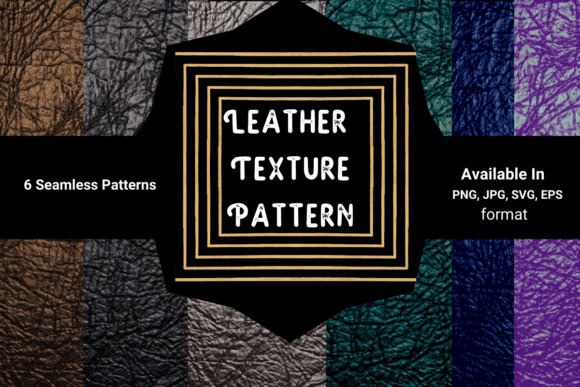
The moment you place Leather Texture Pattern on your screen, it establishes a rugged yet sophisticated aesthetic. Unlike standard floral or geometric designs that can sometimes feel generic, this set evokes the feeling of a well-worn saddle, a vintage jacket, or a high-end artisanal bag. The detail level strikes a balance that is crucial for machine embroidery. It offers enough complexity to look interesting without becoming a muddy mess when stitched down. For designers looking to add depth to their embroidery project without relying solely on color changes, this is a smart choice.
I found that the layout of these graphics feels organic. They don't scream "digital art"; instead, they whisper "crafted by hand." This subtle personality makes them incredibly versatile. Whether you are designing a patch for a denim jacket or a decorative accent for a nursery pillow, the texture adds an immediate layer of perceived value. It transforms a simple piece of fabric into something that looks like it belongs in a specialty shop rather than a big-box store.
Real-World Application: From Screen to Stitch
Let me share a scenario that felt all too familiar recently. I was preparing a batch of custom embroidered tote bags for a local coffee shop client. They wanted something that felt earthy and durable to match their branding. I decided to test one of the Leather Texture Pattern files as a background element behind their logo. The result was striking. When stitched onto a heavy cotton canvas, the texture created a shadow effect that made the logo pop without needing excessive thread usage.
This same principle applies beautifully to sweatshirt embroidery. Imagine a crewneck sweatshirt where the pocket area features a subtle leather grain texture. It gives the garment a layered, almost 3D appearance. Similarly, for baby embroidery, using a softer thread color with this texture on a onesie creates a unique, rustic look that stands out against the typical pastel florals. I also tested it on kitchen towels for holiday gifts. The contrast between the white towel and the dark, textured fill made for a professional presentation that customers immediately recognized as high-quality.
For those running a craft business or selling on Etsy, the versatility here is a goldmine. You can use these files for pillow covers, creating a focal point that looks like genuine upholstery. They work equally well on aprons for home cooks, adding a touch of artisan flair. Even for holiday embroidery, placing a leather-textured ornament design on a tree skirt or gift tag can elevate the entire seasonal collection.
Where to Use Caution: Practical Limitations
While Leather Texture Pattern is robust, no single design fits every situation perfectly. As an experienced reviewer, I need to be honest about where this design might struggle. If you are working with small hoop sizes, you must be careful. While the pattern itself is scalable, very small details within the texture can get lost if the final product is tiny, such as on a hat brim or a child's shoe.
Fabric selection is another critical factor. These textures rely on light and shadow to create the illusion of depth. On dark fabric, unless you use a high-density underlay or specific thread colors, the texture might disappear into the background. Conversely, on extremely thin or stretchy fabrics, the density required to create the leather look could cause puckering. I recommend avoiding this design on lightweight silks or unstable knits unless you have extensive experience with stabilizers.
Curved surfaces like caps and hats present a challenge. The flat nature of the texture might not follow the curve of a cap panel naturally, potentially distorting the grain. Additionally, if you plan to wash these items frequently, ensure your stitch density is appropriate. Too much fill in a dense area can make the fabric stiff and prone to cracking over time. Always inspect the corners of the design; intricate details in tight corners often require manual editing to prevent thread breaks during production.
Elevating Product Value and Brand Consistency
One of the biggest advantages of using Leather Texture Pattern is the impact it has on product value. Customers associate texture with quality. When a buyer sees a finished product with a rich, detailed fill that mimics leather, they perceive the item as more expensive and durable. This directly influences customer trust and engagement. For small shop owners trying to compete with mass-produced goods, this kind of detail is essential for differentiation.
In terms of brand consistency, having a library of these patterns allows you to maintain a cohesive look across different product lines. Whether you are creating a matching set of custom apparel, embroidered patches, or digital embroidery file mockups, the leather theme ties everything together. It signals professionalism. A printable mockup featuring this texture instantly looks more polished than a flat graphic, helping you sell the vision before the physical item even exists.
Essential Designer Notes Before You Start
Before you rush to load this into your machine, there are a few practical steps every designer should take. First and foremost, test the design on scrap fabric first. Nothing ruins a client order like discovering a flaw after the first run. Check the thread color contrast to ensure the texture reads clearly against your chosen material.
Review the stitch density carefully. If the design feels too heavy, consider adjusting the settings or simplifying the fill to reduce bulk. Confirm your hoop size matches the intended project dimensions. Inspect small details to see if any elements are too fine for your machine's capabilities. It is also wise to test it in black and white mockups to verify the tonal range works without relying on color alone.
Don't forget to compare how it looks on both light and dark backgrounds. Use proper stabilizer to support the fabric, especially since texture fills can pull heavily. Finally, check whether the design works for both personal and commercial projects. Confirm licensing before selling finished items or design assets to avoid legal issues. Verify the file formats and machine compatibility, as these details were not explicitly provided in the product description and vary by brand.
Final Thoughts on a Versatile Asset
Leather Texture Pattern is more than just a decorative element; it is a tool for enhancing the storytelling of your embroidery. By understanding its strengths and limitations, you can integrate it seamlessly into your workflow. Whether you are creating a personalized gift for a loved one or scaling up production for an Etsy seller audience, this design offers a reliable way to add sophistication and realism to your work. It proves that sometimes, the best designs are the ones that make you feel the texture before you even touch the fabric.