Mango Embroidery Design: A Designer's Real-World Review
When I first opened the Mango design package, my initial reaction wasn't just about the fruit itself, but the potential it holds for a tangible, stitched product. As someone who has spent years refining embroidery files for clients and testing them on everything from delicate silk to heavy canvas, I look for designs that translate well from a digital screen to a needle. The Mango pattern brings a vibrant, tropical energy that feels right at home in modern craft businesses and boutique branding.
This review isn't about listing file formats; it is about evaluating how this specific set of graphics performs when it becomes a physical reality. Whether you are an Etsy seller looking to boost your shop's visual appeal or a hobbyist preparing a personalized gift, understanding the practical application of Mango is crucial before you start stitching.
The First Impression: Mood and Visual Personality
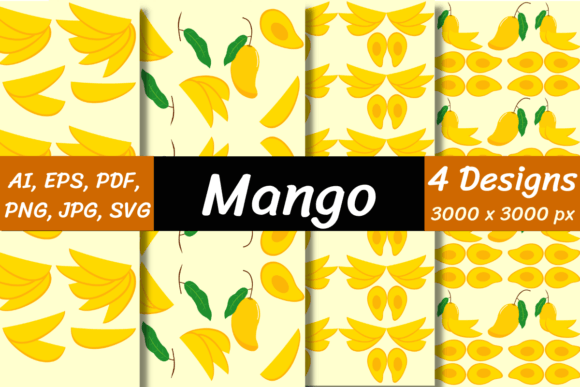
The Mango patterns exude a sense of warmth and summer nostalgia. Unlike many geometric patterns that can feel sterile, this design has a natural flow that suggests organic growth and ripeness. The shape of the mango, combined with the seamless nature of the included patterns, creates a layout that feels balanced without being rigid. It possesses a playful yet sophisticated personality that works exceptionally well for products targeting families, lifestyle brands, and casual fashion.
In terms of detail level, the design strikes a necessary balance. It is intricate enough to hold attention but simple enough to avoid becoming a muddy mess after stitching. For an embroidery designer, this is the sweet spot. You want a motif that captures the essence of the subject without requiring thousands of stitches to define every curve. The Mango graphics offer a clear silhouette that promises high stitch density in key areas while maintaining open spaces that allow the fabric texture to breathe.
Real-Life Application: From Screen to Stitch
To truly understand the value of this design, let's imagine a real-world scenario. Suppose you are a small business owner preparing a collection of custom embroidered tote bags for a local farmers market. You need something that pops against a neutral canvas background but doesn't scream "mass-produced." This is where Mango shines.
I envision placing the Mango pattern on a sturdy cotton canvas tote. The vibrant colors would stand out beautifully against the natural weave of the bag. Because the design includes seamless options, you could potentially create a repeating border effect along the bottom hem, adding a professional touch that elevates the perceived value of the finished product. Customers browsing the stall would likely stop to admire the clean lines and cheerful theme, associating the quality of the embroidery with the reliability of your brand.
Similarly, consider a sweatshirt project. A single, centered Mango motif on the chest of a heavyweight hoodie offers a bold statement piece. The design's structure allows it to sit flat and comfortable, avoiding the bulkiness that often plagues large fill-stitch designs. For baby clothes, the soft curves of the fruit make it an ideal choice for a onesie or a nursery pillow cover. The theme is universally appealing, making it a safe bet for gifts that need to please both parents and grandparents.
For those creating digital assets, such as printable mockups for an online store, the Mango graphics provide excellent versatility. You can layer these transparent PNGs over photos of aprons, tea towels, or kitchen decor to create compelling listings. The clarity of the vector files ensures that even when scaled up for large banners, the edges remain crisp, maintaining the integrity of the Patterns and Graphics suite.
Where Caution is Required
While Mango is a robust design, no single embroidery file is perfect for every situation. There are specific constraints where this design might struggle if not handled with care. For instance, attempting to stitch Mango on a very small hoop size, such as a 4x4 inch area, requires careful consideration of the scale. If the design is too large relative to the available space, the details may become compressed, leading to a loss of definition in the satin stitches.
Textured fabrics present another challenge. While the design looks great on smooth cotton or linen, applying it to heavily textured materials like bouclé or thick fleece can cause the stitches to sink into the pile, obscuring the intricate parts of the mango shape. Similarly, thin or stretchy fabrics like jersey require a stabilizer that matches the drape of the garment. Without proper support, the tension of the Mango design could pucker the fabric, ruining the aesthetic of the final piece.
Dark fabrics also demand a strategic approach. If you plan to embroider Mango on black or navy garments, you must ensure that the thread colors chosen provide sufficient contrast. Light-colored fills on dark backgrounds can sometimes appear dull if the underlay is not properly executed. Additionally, curved surfaces like caps or hats require a specialized hoop and a design specifically adapted for curvature. Using a standard flat design on a curved surface without modification can lead to distortion, particularly around the corners of the fruit.
Products that undergo frequent washing, such as work aprons or kitchen towels, benefit from dense stitching, but excessive density can make the fabric stiff. It is essential to find the right balance so that the Mango design remains flexible and durable over time.
Impact on Brand and Customer Trust
The quality of your embroidery directly influences customer trust. A well-executed Mango design signals professionalism and attention to detail. When a buyer receives a handmade product with clean stitches and accurate color representation, they are more likely to view your brand as reliable. This is especially true for commercial embroidery projects where consistency is key.
The Mango patterns contribute to a cohesive brand identity. Whether used on a logo, a tag, or the main body of a garment, the consistent use of these graphics helps build recognition. In the competitive world of Etsy sellers and craft businesses, having a signature look can be the difference between a one-time purchase and a loyal customer base. The design's versatility allows it to adapt to various themes, from summer festivals to holiday gifts, keeping your product line fresh and engaging.
Practical Notes for the Embroidery Designer
Before you commit to running a full production batch with Mango, there are several steps every experienced designer should take. First, always test the design on scrap fabric that matches the weight and texture of your final project. This step reveals how the thread interacts with the material and highlights any potential puckering issues.
Check the thread color contrast carefully. The vibrancy of the mango theme relies heavily on the right palette. Experiment with different shades to ensure the design stands out without clashing. Review the stitch density settings in your software; if the design feels too dense, consider adjusting the fill percentage to improve flexibility and reduce bulk.
Confirm your hoop size limits. Ensure that the design dimensions fit comfortably within your machine's capabilities without requiring unnecessary trimming. Inspect small details closely, especially if you plan to use the design for tiny accents or lettering. Sometimes, what looks good on a monitor can get lost in the stitching process.
It is also wise to test the design in black and white mockups. This helps you visualize the contrast and composition without the distraction of color. Compare how the Mango graphics look on light versus dark backgrounds to determine the best applications for your specific needs. Finally, verify the licensing terms provided with the download. Confirm whether you have the rights to sell finished items made with the design, especially if you are using it for commercial purposes or digital product previews.
By approaching Mango with a critical eye and a practical mindset, you can transform a simple digital pattern into a stunning, market-ready product. The design offers a strong foundation for creativity, provided you respect the technical nuances of machine embroidery. With the right preparation, Mango can become a staple in your portfolio of embroidery project assets.