Roses on a Vine: A Designer's Real-World Review
When I first opened the folder for Roses on a Vine, my immediate thought wasn't about the file size or the stitch count. It was about the mood. There is something inherently romantic yet grounded about a vine motif that winds its way through a composition. As someone who has spent years evaluating embroidery files for client work and my own boutique line, I know that the difference between a design that looks great in a digital mockup and one that holds up under the needle often comes down to flow and balance.
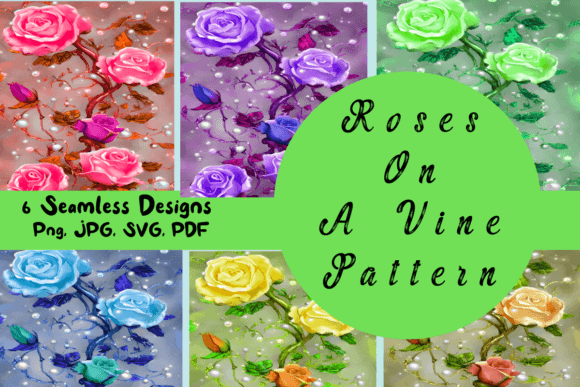
This collection of six patterns offers a versatility that is rare to find in a single pack. The artwork feels organic rather than rigid, which suggests it will translate beautifully onto soft goods like blankets, curtains, and pillows. But does it hold up when you are rushing to fulfill an order for a custom tote bag or a holiday gift? That is where the real test begins.
The First Stitch: Visual Impact and Flow
The visual personality of Roses on a Vine is defined by its movement. Unlike blocky logos or static floral clusters, this design breathes. The vines create a natural leading line that guides the eye across the fabric, making it an excellent choice for vertical applications like aprons, tea towels, or even long curtain panels. When you look at the layout, you can see how the designer intended the pattern to interact with the grain of the material.
For an Etsy seller or small business owner, this kind of aesthetic is gold. It strikes that sweet spot between traditional elegance and modern handmade charm. Whether you are creating nursery decor for a baby shower or designing a set of matching kitchen towels for a wedding gift, the design adds a layer of sophistication without feeling overly formal. The detail level seems calibrated to show texture without getting muddy, which is crucial for maintaining clarity in satin stitch areas.
Real Project Scenarios: From Mockup to Machine
Let's talk about a specific scenario. Imagine you are preparing a batch of custom embroidered sweatshirts for a local craft fair. You need something that pops but doesn't overwhelm the garment. I ran Roses on a Vine mentally through this project. Placed on the left chest area, the vine would curve gently along the seam, adding a touch of flair that feels personal rather than mass-produced. On a larger canvas, like a throw blanket or a rug, the six variations allow you to create a repeating pattern that feels cohesive yet dynamic.
I also envision this design being used for personalized gifts. Picture a baby onesie or a burp cloth. The soft curves of the roses are gentle and inviting, perfect for infant apparel. However, if you are thinking about embroidered patches for jackets or caps, you have to be strategic. The winding nature of the vine might get lost if the patch is too small, so you would likely want to select the most compact variation from the set.
In the realm of commercial embroidery, such as branding for a boutique, this design serves as a strong signature element. It works well as a decorative accent on a tote bag design, perhaps running vertically down the side of the handle attachment. The key here is that it elevates the perceived value of the finished product. Customers buying handmade items are looking for quality and attention to detail; a clean, flowing vine motif signals that care was taken in the production process.
Where to Exercise Caution
While the design is robust, no single file is a magic bullet for every situation. As an experienced reviewer, I must point out where Roses on a Vine might face challenges. If you are working with a very small hoop size, the intricate details of the vine leaves could become crowded. On thin fabrics, such as lightweight cotton or linen, the density of the fill stitches might cause puckering if you do not use the correct stabilizer. This is a common pitfall for hobbyists who skip the testing phase.
Stretchy fabrics present another hurdle. While the design is elegant, the tension required to keep the satin stitches crisp on a stretchy jersey or spandex blend can sometimes distort the shape of the flowers. For these projects, a tear-away or cut-away stabilizer is non-negotiable. Additionally, if you plan to embroider this on dark fabric, thread color contrast becomes critical. Light-colored threads might get lost against a black background unless you use a high-density underlay or a bright, saturated thread palette.
Curved surfaces, like baseball caps, require careful digitizing adjustment. If the original file is designed for flat hooping, transferring it directly to a curved cap surface might result in misalignment. Always check the stitch density and ensure the design is optimized for the curvature before committing to a production run. Similarly, avoid using this on products that require frequent, heavy-duty washing, such as work uniforms, unless you reinforce the stitching with a backing that prevents wear over time.
Design Notes for the Practical Maker
Before you hit "Start" on your machine, there are several practical steps to ensure your embroidery project succeeds. First and foremost, test the design on scrap fabric. This is the only way to truly gauge how the thread colors interact with your specific material. What looks good on screen might behave differently under the presser foot.
Review the stitch types included in the file. You will likely see a mix of satin stitch for the outlines and petals, fill stitch for the rose bodies, and running stitch for the delicate vine tendrils. Check that the transition between these stitches is smooth. If the file uses too many jump stitches, you may end up with loose threads that snag easily. Confirming the hoop size is essential; ensure your design fits within the dimensions of your machine's hoop without requiring awkward re-hooping.
If you are planning to sell finished items made with this design, double-check the licensing terms. Some digital embroidery files allow for commercial use, while others restrict the number of units you can produce. Since this package includes six patterns, you have flexibility to create different variations for your craft business. For instance, you could use one version for a standard pillow cover and another for a more detailed wall hanging.
Finally, inspect the small details. Zoom in on the corners and the ends of the vines. Are they sharp enough to define the shape, or do they fade into a blur? In a finished product, clarity is king. If the design is intended for a holiday embroidery gift, the sharpness of the lines will determine whether it looks professional or amateurish.
Final Thoughts on Value and Versatility
Roses on a Vine is more than just a pretty picture; it is a functional tool for creators. It bridges the gap between simple decoration and complex artistry. For the Etsy seller looking to expand their inventory, this set offers a reliable asset that can be adapted for various niches, from home decor to custom apparel. The ability to use the artwork for anything from curtains to rugs gives it a broad appeal that can drive sales across multiple categories.
However, success lies in execution. By understanding the limitations of the fabric, the machine, and the hoop, you can leverage the strengths of this design to create stunning, marketable goods. Whether you are a seasoned pro or a beginner looking to launch a small shop product, taking the time to test and refine your approach will pay off in customer satisfaction and brand reputation. With the right preparation, Roses on a Vine can become a staple in your design library, ready to bring a touch of nature to any textile project you undertake.