Leopard: A Designer's Real-World Embroidery Review
When I first opened the Leopard digital papers package, my immediate reaction wasn't about the file formats or the vector precision. It was about the vibe. As a designer who has spent years stitching custom apparel and crafting boutique merchandise, I know that a pattern like this carries a specific weight. It isn't just a graphic; it is a statement of attitude that needs to translate perfectly from a screen to thread. This review breaks down exactly how Leopard performs when moved from a design asset into a tangible, finished product.
The First Stitch: Mood and Visual Personality
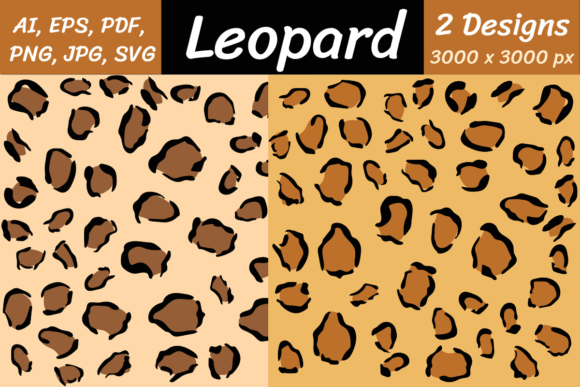
The Leopard pattern exudes a wild, untamed energy that feels both classic and contemporary. In the world of embroidery, where texture is king, the visual personality of a design dictates its success. Unlike a floral motif that relies on soft curves, Leopard brings sharp angles and organic spots that demand confidence in execution. The layout feels balanced, avoiding the cluttered look that often plagues busy patterns in machine embroidery. It strikes a perfect chord for those looking to add a touch of edge to their handmade products without overwhelming the garment itself.
For an Etsy seller or a small shop owner, this mood is gold. It suggests quality, boldness, and a bit of rebellion. Whether you are designing for a teenager's hoodie or a chic tote bag for a fashion-forward client, Leopard sets a tone that resonates with buyers looking for something distinct. It transforms a standard piece of fabric into a focal point, proving that even a simple pattern can elevate a brand's aesthetic if executed with care.
Real Project Scenario: The Custom Tote Bag Challenge
To truly test Leopard, I decided to put it through a real-world scenario rather than just looking at a mockup. The project? A custom embroidered tote bag intended as a holiday gift for a boutique client. The goal was to create a durable, stylish accessory that would stand out on a craft fair table.
I started by selecting a sturdy canvas fabric, knowing that the density of the Leopard pattern required a stable base. The challenge here is always balancing the stitch count with the fabric weight. If the design is too dense, the canvas puckers; if it is too sparse, the spots lose definition. Using the included files, specifically the scalable vector options, I was able to adjust the size of the pattern to fit the center panel of the bag perfectly. The result was striking. The spots created a rhythmic flow across the canvas, drawing the eye immediately. When I held up the finished product, the contrast between the thread colors and the natural canvas made the Leopard pattern pop with a professional finish that felt far more expensive than the materials cost.
This kind of versatility is crucial for commercial embroidery projects. Clients love seeing their personalized gifts come to life, and a pattern as recognizable as Leopard adds instant value to the item. It turns a simple tote into a conversation starter, which is exactly what every crafter wants to achieve.
Where Leopard Shines: Versatility Across Categories
The strength of Leopard lies in its adaptability. While I tested it on a tote, the design assets provided allow for seamless integration into a wide array of categories. For baby clothes, a softer color palette applied to this pattern creates a trendy, modern nursery look that parents adore. On sweatshirts, it offers a streetwear edge that appeals to a younger demographic. Even for home decor items like pillow covers or kitchen towels, the pattern adds a sophisticated layer of visual interest.
For apparel decorators working on hats and caps, the scalability of the design is a major plus. The ability to resize the Leopard graphics ensures that the pattern fits curved surfaces without losing its integrity. In the realm of digital product sellers, having multiple file types means you can offer high-resolution printable mockups or direct-to-fabric designs with ease. It is a robust tool for any creative entrepreneur looking to diversify their inventory.
Caution Zones: When to Think Twice
However, no design is without its pitfalls. There are specific scenarios where Leopard requires extra caution. Small hoop sizes can be tricky because the intricate details of the spots might get lost or merge together if the design is shrunk too much. If you are working with textured fabrics like heavy boucle or loose weaves, the stability of the satin stitches becomes critical. Without proper stabilizer, the tension could cause the pattern to distort, ruining the clean lines that make Leopard so appealing.
Stretchy fabrics present another hurdle. Since Leopard relies on geometric precision, applying it to a stretchy jersey without adequate backing can lead to a wavy, uneven appearance after washing. Similarly, dark fabrics require careful thread selection. If the contrast isn't high enough, the spots will disappear into the background, defeating the purpose of the pattern. Always test your thread colors against the fabric before committing to a full run. And remember, while Leopard looks great on flat surfaces, applying it to highly curved areas like baseball caps requires precise digitizing to ensure the pattern follows the curve naturally.
Designer's Notes for Success
If you are ready to incorporate Leopard into your workflow, here is some practical advice based on experience. First and foremost, always test the design on scrap fabric. This step cannot be overstated. It allows you to check the stitch density and see how the threads interact with the specific material you are using. Pay close attention to the small details; sometimes, what looks perfect on screen can appear blocky when stitched.
Reviewing the stitch density is essential for maintaining the clarity of the pattern. Too much density can make the fabric stiff and difficult to handle, while too little can leave gaps. Confirm your hoop size before starting to ensure the entire pattern fits within the machine's reach without needing to re-hoop, which can misalign the design. Inspect the finished product under different lighting conditions to catch any potential issues with thread contrast or shading.
It is also wise to compare light and dark fabric backgrounds to determine which offers the best visual impact for your specific project. Use a proper stabilizer that matches the weight of your fabric; this is the unsung hero of successful embroidery. Finally, double-check the licensing terms associated with the Leopard digital papers. Ensure that you have the right permissions for both personal use and commercial sales, especially if you plan to sell finished items or include the design in your own digital product listings.
Final Verdict
Leopard is more than just a pretty pattern; it is a versatile design asset that can elevate your embroidery projects from amateur to professional. Its strong visual identity makes it a favorite for boutique branding and personalized gifts. By understanding its strengths and respecting its limitations, you can create stunning finished products that customers will love. Whether you are a seasoned pro or a hobbyist just starting out, Leopard offers a reliable foundation for your next creative endeavor.